If you are looking for a New Jersey town that feels established, connected, and easy to enjoy day to day, Cranford is often part of the conversation. It offers a true downtown, access to parks and riverfront spaces, and a commuter location that keeps you tied to the wider region. If you want to understand what living in Cranford, New Jersey is actually like, this guide will walk you through the pace, housing, amenities, and lifestyle so you can decide if it feels like the right fit for you. Let’s dive in.
Cranford at a Glance
Cranford is a compact Union County suburb with an estimated 24,513 residents living across 4.84 square miles, according to the U.S. Census Bureau. That smaller footprint gives the town a more connected feel than many larger suburban markets.
It is also a place with long-established roots. The township describes Cranford as an 1871 community known for historic homes along the Rahway River, a walkable downtown, and continued investment around the station area through transit-oriented development, as noted on the township community page.
From a market standpoint, Cranford leans stable and owner-focused. The Census reports an owner-occupied housing rate of 77.5%, a median owner-occupied home value of $660,100, and 92.7% of residents living in the same home one year earlier, which points to a town where many people stay put.
Everyday Life in Cranford
Living in Cranford often means having a blend of suburban calm and daily convenience. You are not looking at a place built around big-box sprawl or a purely residential layout. Instead, the town combines neighborhoods, parks, local businesses, and transit access in a way that supports a more lived-in, walkable routine.
The township also highlights a strong spirit of volunteerism and community involvement on its community overview. That matters because it shapes how a town feels beyond the numbers. In Cranford, the pace tends to feel active but grounded rather than anonymous.
Downtown Cranford Experience
Downtown is one of Cranford’s biggest lifestyle draws. According to Downtown Cranford, the Special Improvement District spans about 83 acres, includes 220 properties, and supports more than 300 retail, personal service, and professional businesses plus 95 professional offices.
For you as a resident, that means the downtown is more than a small main street strip. It functions as a real center for errands, dining, services, and everyday routines. The same downtown source also notes that parking is free after 6 p.m. and all day Sunday, which adds convenience if you like spending time there in the evenings or on weekends.
The township and downtown organization both point to continued investment near the station area. That ongoing growth helps support a town center that feels active and relevant rather than frozen in time.
Parks and Outdoor Access
One of the clearest advantages of living in Cranford is how much open space and recreation it packs into a relatively small town. Cranford’s 2025 open-space plan inventories 535.87 acres across 208 parcels of open space, recreation facilities, and preserved natural lands, with 16 parks offering public access and amenities, according to the township open-space plan.
That gives you options depending on how you like to spend your free time. The plan identifies major local spaces including Nomahegan Park, Mohawk Park, Lenape Park, Hanson Park, Unami Park, and Sperry Park.
Lenape Park stands out for scale. The township notes that it is a roughly 450-acre county park spanning Cranford, Westfield, Springfield, and Kenilworth, with access to trails, fields, river features, and connections to the East Coast Greenway.
If you prefer a quieter setting, Hanson Park offers a more passive riverfront environment focused on walking, gardening, and birdwatching. The same preservation and planning documents also note that some Rahway River parks were designed by the Olmsted Brothers as part of the Union County park system, which adds another layer to the town’s landscape character.
Recreation and Community Amenities
Cranford supports an active lifestyle in practical ways. The township’s recreation resources emphasize tennis courts, indoor and outdoor pools, and canoeing as part of local life, and the Cranford Recreation site also highlights the Cranford Canoe Club, which offers seasonal canoe and kayak rentals.
That river access gives Cranford a distinctive quality compared with many nearby suburbs. Instead of outdoor amenities being limited to fields and playgrounds, you also have opportunities to spend time on the water during the warmer months.
Another everyday anchor is the Cranford Public Library, located at 224 Walnut Avenue. Its website lists long weekly hours and notes an expansion and renovation project for the children’s room. Nearby, the Community Center at 220 Walnut Avenue offers an Open Center with basketball, a game room, pool tables, and a lounge for Cranford residents.
Commuting From Cranford
For many buyers, Cranford’s commuter profile is a major reason to consider the town. NJ Transit lists Cranford Station on the Raritan Valley Line, with parking, bike racks, and a weekday ticket office.
Rail access can be a real advantage if you work in Newark or need broader regional connectivity. NJ Transit says the Raritan Valley Line provides weekday service to Newark Penn Station, with some trains extending to and from New York during midday and evening hours. On weekends and holidays, service generally runs between Raritan and Newark Penn with connecting service to New York.
The practical takeaway is simple. Cranford works well if you want a suburban rail town with regional reach, but your commute may not always be a quick one-seat ride into Manhattan.
Road access is also a plus. According to the Downtown Cranford transit page, the town is right off the Garden State Parkway near exits 137 and 136, about 10 miles from Newark Penn Station, 7 miles from Metropark, and 7 miles from Newark Airport.
That mix of rail, road, and airport access adds flexibility whether you commute daily, travel for work, or simply want to stay well connected.
Housing Style and Neighborhood Character
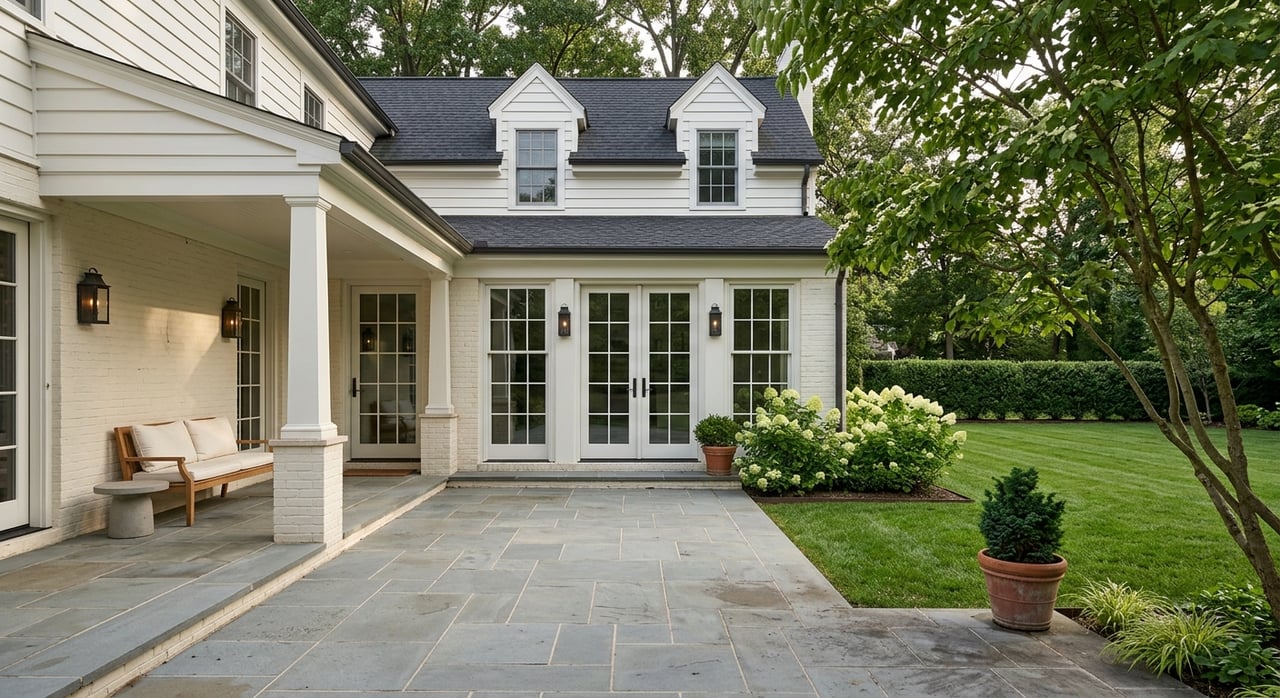
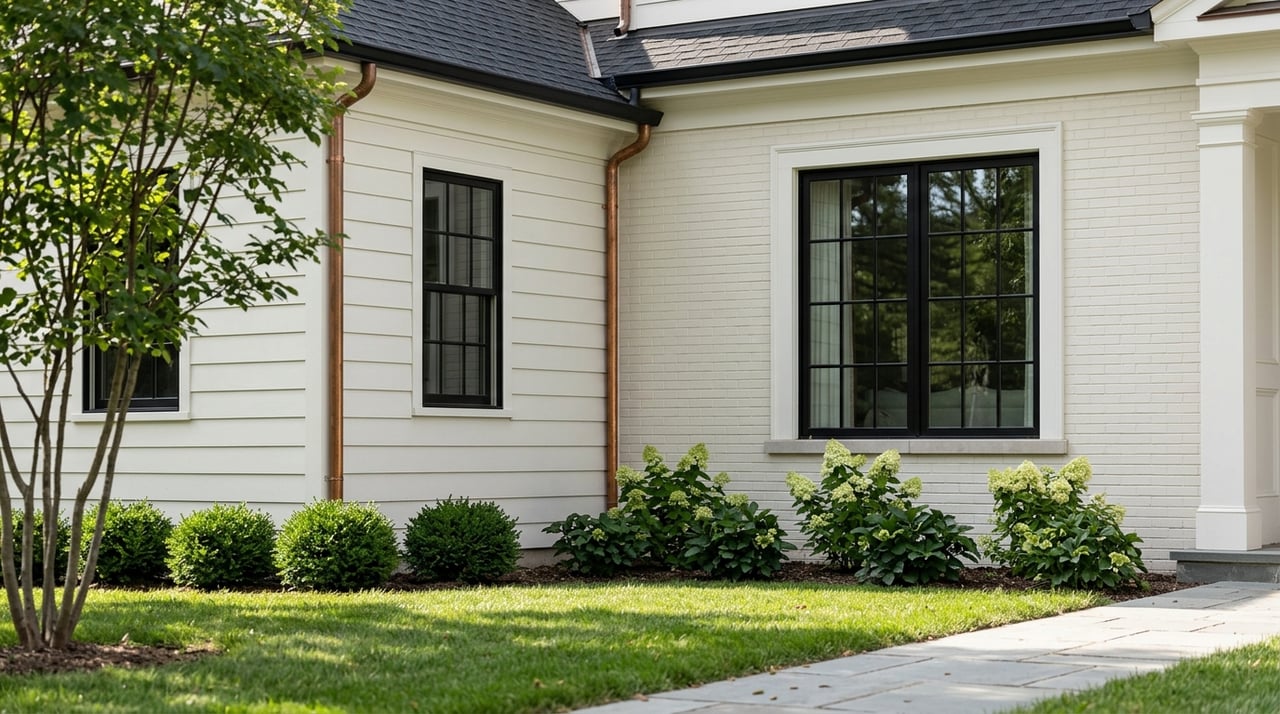
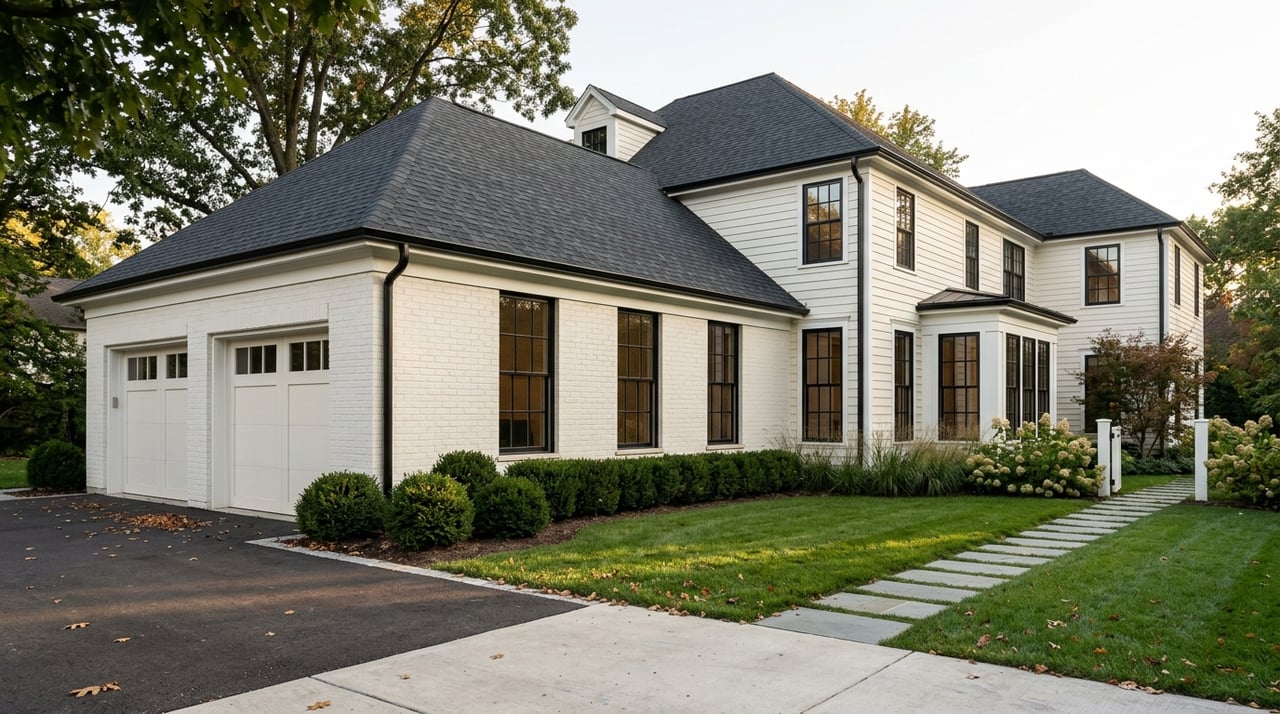
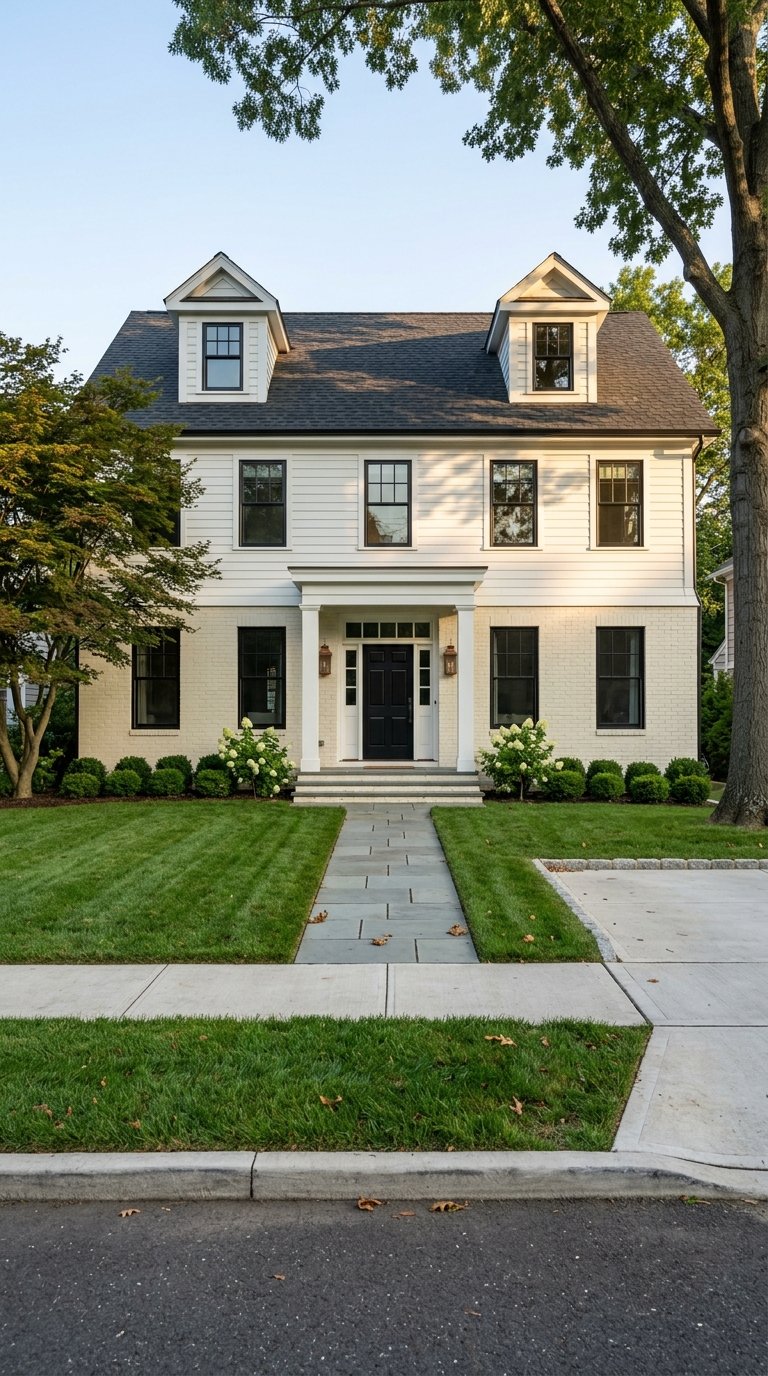
If you are drawn to neighborhoods with character, Cranford has a lot to offer. The township’s historic preservation plan describes a community where neighborhood identity is closely tied to street layout, sidewalks, house scale, and tree-lined streets.
The housing stock is not one-note. Based on the preservation plan, buyers are likely to find a mix of older single-family homes, historic cottages, renovated properties, and some newer infill rather than a uniform subdivision feel.
Sunny Acres is a notable example. The township identifies it as Cranford’s first local historic district and describes it as an intact collection of Cape Cod and Colonial Revival cottages originally planned and executed by Sears Roebuck.
At the same time, the preservation plan notes that some traditional homes have been replaced by larger new houses over time. That means the look and feel can change from one block to another, which makes local guidance especially helpful when you are comparing options.
Cost of Living and Market Expectations
Cranford is not generally positioned as a low-cost entry market. Census data shows a median household income of $155,972, a median gross rent of $2,199, and a median value of owner-occupied housing of $660,100, according to the U.S. Census Bureau.
Those numbers suggest that buyers should come in with a realistic sense of pricing and competition. In return, many people are drawn to the town’s stability, downtown environment, park access, and established neighborhood feel.
For some buyers, Cranford also appeals because older homes can offer charm and long-term upside, especially if you understand renovation potential, construction quality, and how improvements affect value. That is one reason local market insight matters here.
Schools and Community Identity
For households thinking long term, Cranford Public Schools are a meaningful part of the local picture. The district website states that the district serves students in kindergarten through grade 12 and highlights NJQSAC high-performing status, a 98.5% graduation rate, 160 K-8 clubs and activities, 90 high school clubs, 28 varsity athletic programs, and 80 arts performances annually.
Those details help explain why schools are often part of Cranford’s identity. Even if your move is driven by commute, housing, or lifestyle goals, the school system is one of the institutions that shapes community involvement and town routines.
Who Cranford May Fit Best
Cranford tends to appeal to buyers who want a suburban town with real infrastructure for daily life. If you value a walkable downtown, established neighborhoods, a commuter rail station, and meaningful access to parks and recreation, it checks many important boxes.
It may be especially appealing if you are comfortable with an older housing stock and want more character than you would find in a newer planned community. It can also make sense if you appreciate the balance of lifestyle and long-term value that often comes with well-located New Jersey suburbs.
If you are exploring Cranford and want a more tailored perspective on neighborhoods, home styles, pricing, or off-market opportunities, Kristina Baez can help you navigate the market with a strategic eye and a strong understanding of quality, presentation, and long-term value.
FAQs
What is the overall feel of living in Cranford, New Jersey?
- Cranford feels like an established, close-knit suburb with a walkable downtown, historic character, park access, and strong regional connections.
What is downtown Cranford like for everyday living?
- Downtown Cranford serves as a real town center with more than 300 businesses and professional services, making it useful for dining, errands, and daily convenience.
What parks and outdoor activities are available in Cranford?
- Cranford offers access to 16 parks, riverfront spaces, trails, playgrounds, fields, fishing areas, and seasonal canoe and kayak recreation.
How do commuters get around from Cranford, New Jersey?
- Cranford offers NJ Transit rail service on the Raritan Valley Line, local bus service, access to the Garden State Parkway, and proximity to Newark Penn Station, Metropark, and Newark Airport.
What types of homes can you find in Cranford?
- Buyers can expect a mix of older single-family homes, historic cottages, renovated properties, and some newer infill, with neighborhood character varying block by block.
Is Cranford, New Jersey an expensive place to live?
- Census data points to a higher-cost suburban market, with a median owner-occupied home value of $660,100 and median gross rent of $2,199.