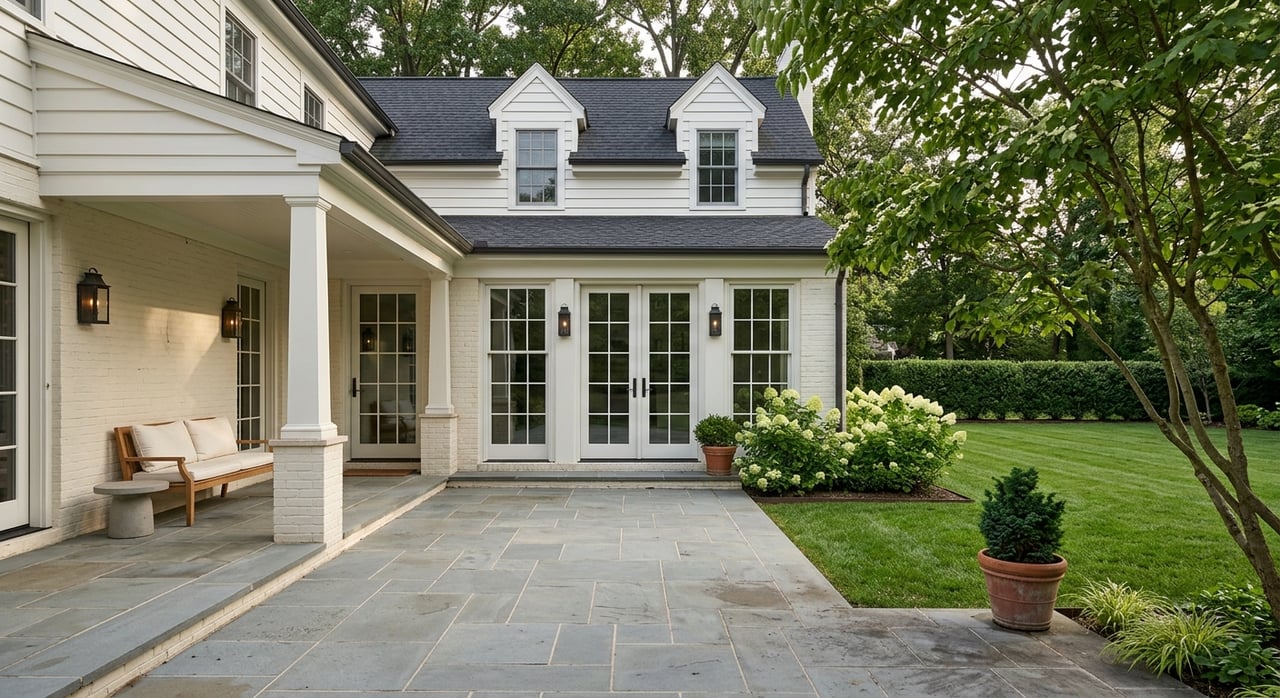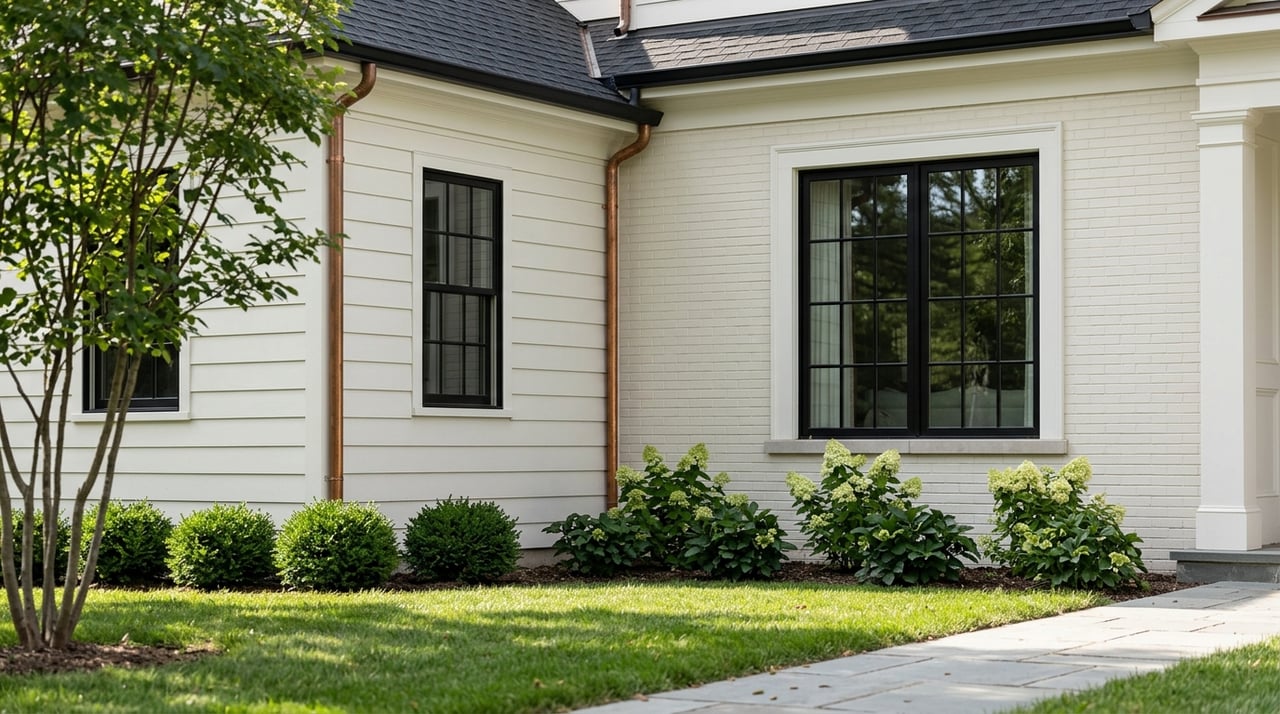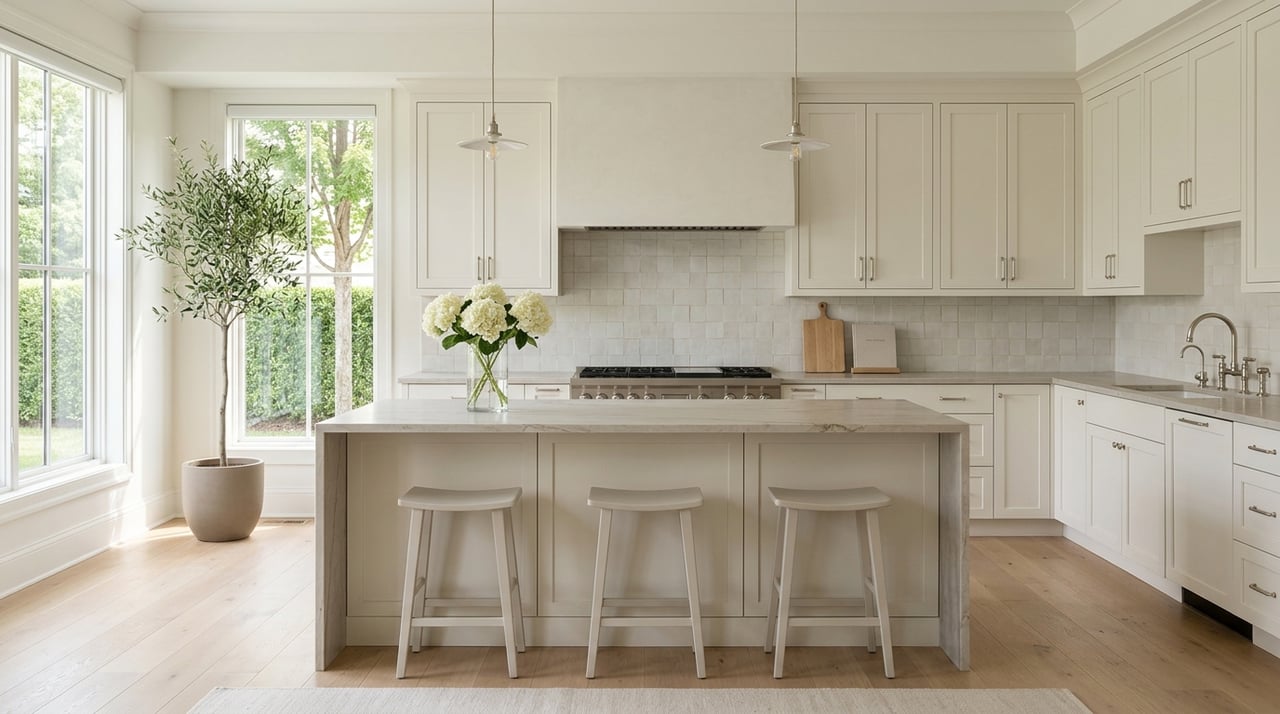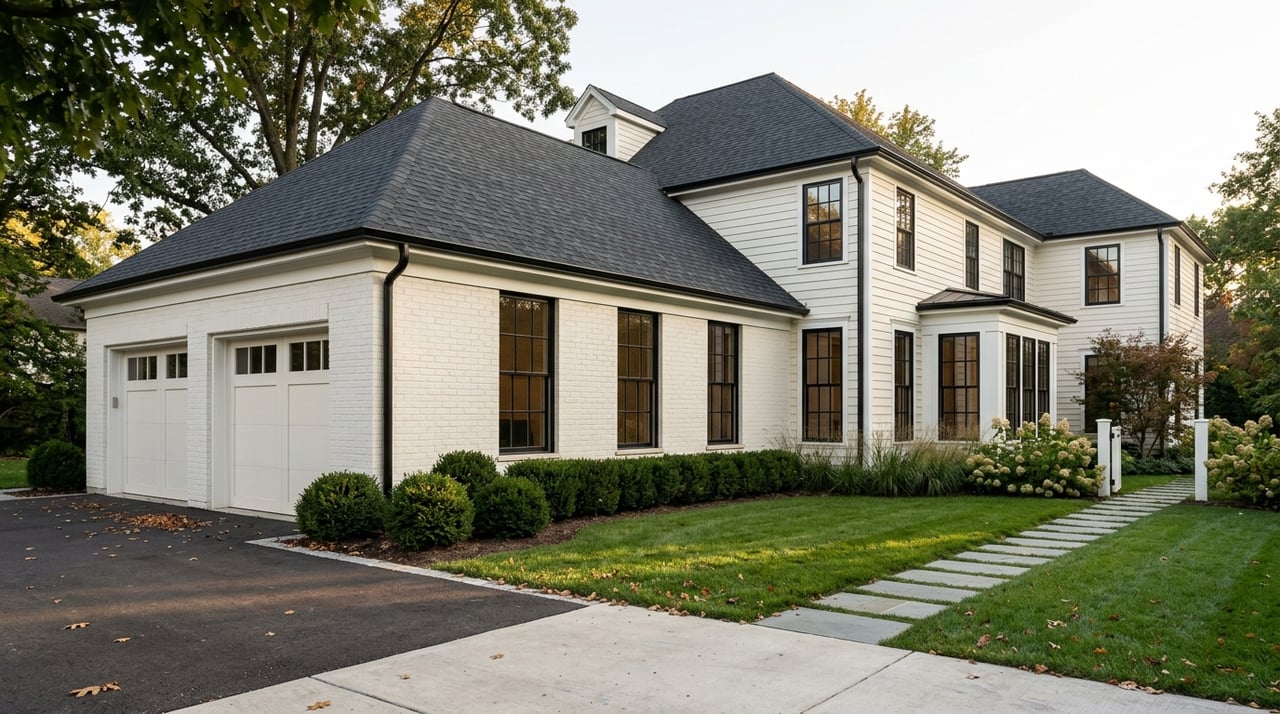
If you are thinking about listing your Westfield home, speed alone is not the advantage. Preparation is. In a market where well-positioned homes can attract strong attention quickly, buyers notice condition, presentation, and missing details fast, especially in a town known for historic character and high-value homes. The good news is that you do not need to overdo renovations to compete well. You need a smart plan that reduces friction, builds buyer confidence, and helps your home make the right first impression. Let’s dive in.
Why preparation matters in Westfield
Westfield remains a tight, expensive market by multiple public measures. Zillow reported a typical home value of $1,291,636 as of April 30, 2026, up 8.5% year over year, with homes going pending in around 10 days and 57 homes for sale. Redfin reported a March 2026 median sale price of $1,030,000 and an average market time of 10 days, while Realtor.com classified Westfield as a seller’s market and reported a 109% sale-to-list ratio in March 2026.
The exact numbers vary by source, but the message is consistent. Buyers are active, inventory is limited, and homes that feel clean, complete, and well managed can move quickly. That does not mean every home will sell itself. In a competitive market, small issues can stand out more, not less.
Focus on friction, not over-renovation
One of the biggest mistakes sellers make is assuming they need a major remodel before listing. In many cases, that is not the best use of time or money. A better strategy is to fix visible problems, organize documentation, and present the home in a way that feels cared for and easy to understand.
That approach matters in Westfield, where many homes have architectural charm and older construction details. Buyers often pay close attention to upkeep, moisture, roof condition, windows, finishes, and signs of deferred maintenance. If your home feels solid, bright, and ready, you are already improving your position.
Start with disclosures and records
Before you think about photos or staging, get your paperwork in order. New Jersey’s Seller’s Property Condition Disclosure Statement says you are obligated to disclose known material defects, even if they are not specifically listed on the printed form. It also makes clear that the disclosure is not a warranty, and buyers are expected to conduct their own due diligence.
For sellers, this means early preparation matters. You want to gather records before your home goes live so you can answer questions clearly and avoid delays once interest builds.
What to gather before listing
The New Jersey disclosure form points to several areas that deserve attention early in the process:
- Roof age and any history of leaks
- Basement or crawl-space moisture issues
- Sump pump information
- Termite or pest history
- Structural movement or settlement concerns
- Permits for additions, renovations, or remodels
- Water source and sewage details
- Electrical service information
- Flood history or pooled water issues
- Prior radon test results and remediation records, if available
If your home was built before 1978, lead-based paint disclosure is also required under federal law. For many Westfield homes, that is especially relevant because of the town’s older housing stock.
Flood, radon, and older-home details
New Jersey’s updated disclosure materials include flood-risk questions, such as whether the property is in a FEMA flood hazard area, whether flood insurance is required, and whether the home has experienced flood damage or pooled water. New Jersey also recommends that all homes be tested for radon, and sellers must provide any available radon test results and remediation information at contract.
These details may not sound glamorous, but they can shape buyer confidence quickly. In older homes, especially those with basements or historic foundations, moisture history, radon documentation, and clear repair records help your home feel more transparent and easier to evaluate.
Fix what buyers notice first
Once disclosures and records are underway, turn to repairs. In a fast-moving market, buyers may still act quickly, but they do not ignore visible problems. A dripping stain on the ceiling, damp basement smell, cracked trim, or unfinished permit issue can raise bigger questions about the rest of the property.
Your goal is not perfection. Your goal is to remove obvious concerns that can distract from the home’s strengths or lead buyers to price in extra risk.
Prioritize these repairs
Focus first on issues tied to safety, condition, and buyer perception:
- Active roof leaks or visible roof concerns
- Dampness, water intrusion, or musty basement conditions
- Electrical issues you already know about
- Structural cracks or movement that need explanation or repair
- Pest damage or unresolved infestation history
- Incomplete work tied to additions or remodel permits
- Broken fixtures, damaged flooring, or heavily worn surfaces in high-visibility areas
When buyers walk into a home in this price range, they are not just reacting to style. They are asking themselves whether the home has been maintained well. Every repair that reduces uncertainty helps support that answer.
Stage the rooms that matter most
Staging does not have to mean furnishing your whole house from scratch. It means helping buyers see space, light, and function clearly. According to NAR’s 2025 staging research, 83% of buyers’ agents said staging made it easier for buyers to visualize a home as their future residence, and nearly half of sellers’ agents said staging reduced time on market.
If you are prioritizing where to spend time and budget, start with the rooms that have the most impact. NAR reported that the most commonly staged rooms were the living room, primary bedroom, and dining room.
High-impact presentation moves
NAR’s staging guidance highlights a few cosmetic updates that consistently help:
- Let in as much natural light as possible
- Use neutral wall colors where repainting is needed
- Remove extra furniture to open up space
- Streamline décor and personal items
- Pack away clutter from counters and shelves
- Improve lighting in darker rooms
- Deep-clean the kitchen
- Replace or refresh tired flooring if it is noticeably worn
In Westfield, these updates are especially effective because buyers often compare homes closely. Presentation can influence whether your home feels polished and move-in ready or like a project waiting to happen.
Follow a realistic listing timeline
Most sellers start thinking about moving well before the home actually hits the market. Zillow notes that many people begin planning three to four months before listing, and that timing makes sense if you want a cleaner launch.
A rushed listing can still attract traffic in a seller’s market, but that does not always mean it captures the strongest result. A more deliberate timeline gives you room to handle repairs, disclosures, and presentation without cutting corners.
A practical prep schedule
90 to 120 days before listing
Use this stage to gather repair records, review permit history, and identify disclosure issues. This is also the time to think through flood, lead, and radon documentation, along with any known condition items that need attention.
60 to 90 days before listing
Handle visible or material issues first. Leaks, dampness, roof concerns, pest history, and unfinished permit items should move to the top of the list because they can affect both buyer confidence and contract negotiations.
30 to 45 days before listing
Shift into presentation mode. Repaint where needed, simplify décor, clear surfaces, and focus staging efforts on the living room, primary bedroom, and dining room.
Final week before launch
Finish deep cleaning, refresh the exterior, and make sure the home is fully photo-ready. In a market where buyers move fast, your online debut needs to feel complete from day one.
List when the home is ready
Sellers often ask about the best week to list. National studies still point to spring as a strong window, but they do not agree on a single perfect week. Realtor.com’s 2026 report identified April 12 to 18 as the best week nationally, while Zillow said the last two weeks of May produced the highest sale prices nationally and that returns are generally strongest between March and July.
For Westfield, the more useful takeaway is simple. Do not force the launch before the house is ready. In a market where homes can move quickly, a clean, well-prepared debut often matters more than chasing one exact calendar date.
Choose representation with strategy in mind
The agent you hire affects more than marketing. In New Jersey, residential brokerage relationships require a written brokerage services agreement, and compensation is fully negotiable. The state’s 2024 brokerage bulletin also says a brokerage firm must obtain a signed Property Condition Disclosure Statement from the seller in a real estate transaction.
That makes representation both a legal and strategic decision. In a market like Westfield, where pricing, disclosure handling, and presentation can shape the outcome quickly, you want someone who can guide the process with clarity and strong judgment.
What to look for in a Westfield listing agent
Look for an agent who can help you with:
- Pricing based on current local market conditions
- Pre-list preparation and presentation strategy
- Disclosure management and documentation
- Clear communication during a fast-moving timeline
- Negotiation when multiple buyers show interest
- Insight into condition, construction quality, and long-term value
For design-conscious or higher-end sellers, this can be especially important. The right guidance helps you avoid spending in the wrong places while making sure the home presents at its full potential.
The bottom line for Westfield sellers
If you are preparing to list a Westfield home in a competitive market, your edge is not just demand. It is readiness. Strong preparation helps buyers feel confident, helps your home show at its best, and helps you enter the market with fewer surprises.
With the right plan, you can focus on the updates that matter, organize the details buyers care about, and launch with more control. If you want a thoughtful, polished strategy for your Westfield sale, Kristina Baez offers hands-on guidance shaped by market insight, negotiation expertise, and a strong eye for presentation.
FAQs
What should you fix before listing a home in Westfield?
- Focus on visible and material issues first, including leaks, dampness, roof concerns, pest history, damaged surfaces, electrical issues, and unfinished permit-related work.
What disclosures do Westfield home sellers need in New Jersey?
- New Jersey sellers must provide a Property Condition Disclosure Statement covering known material defects, and older homes may also require lead-based paint disclosure, with flood and radon information addressed where applicable.
What rooms should you stage before selling a Westfield home?
- The living room, primary bedroom, and dining room are the best rooms to prioritize if you want staging efforts to have the strongest impact.
When is the best time to list a home in Westfield?
- Spring is generally considered a strong selling window, but the most practical advice is to list when your home is fully prepared rather than rushing to hit a specific week.
Why does preparation matter in the Westfield housing market?
- Westfield is a high-value, fast-moving market, so buyers often react quickly to condition, presentation, and documentation, making strong preparation an important advantage.