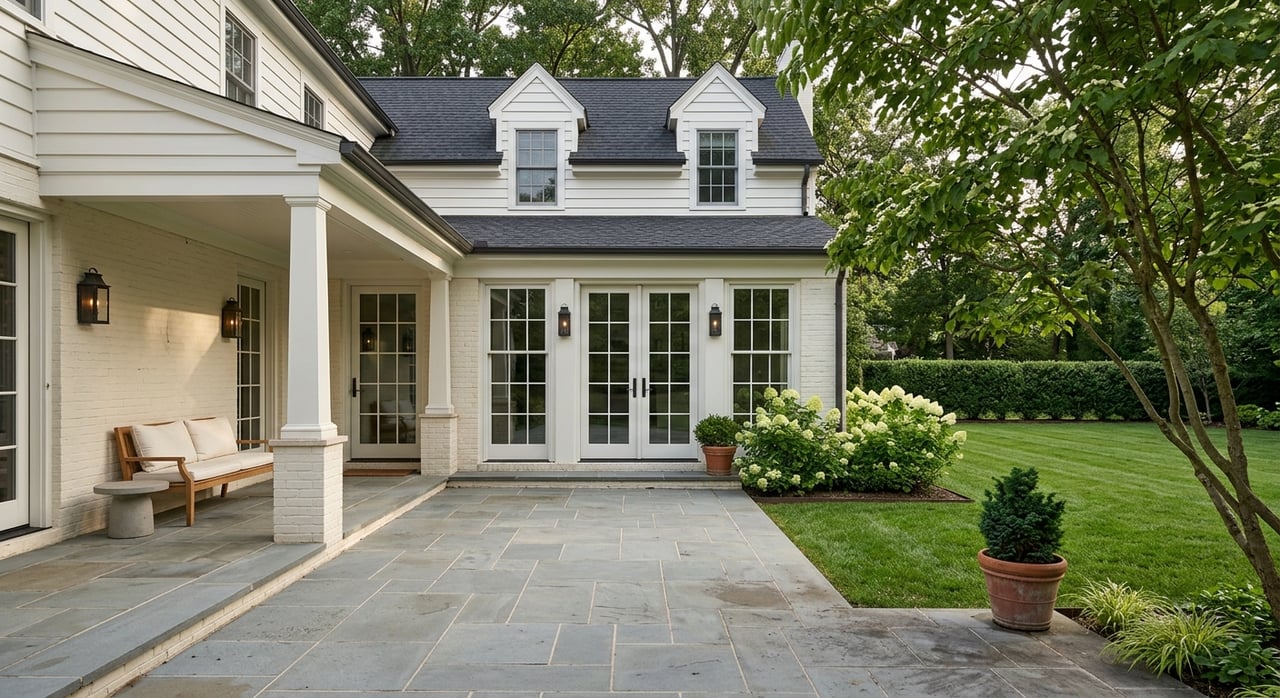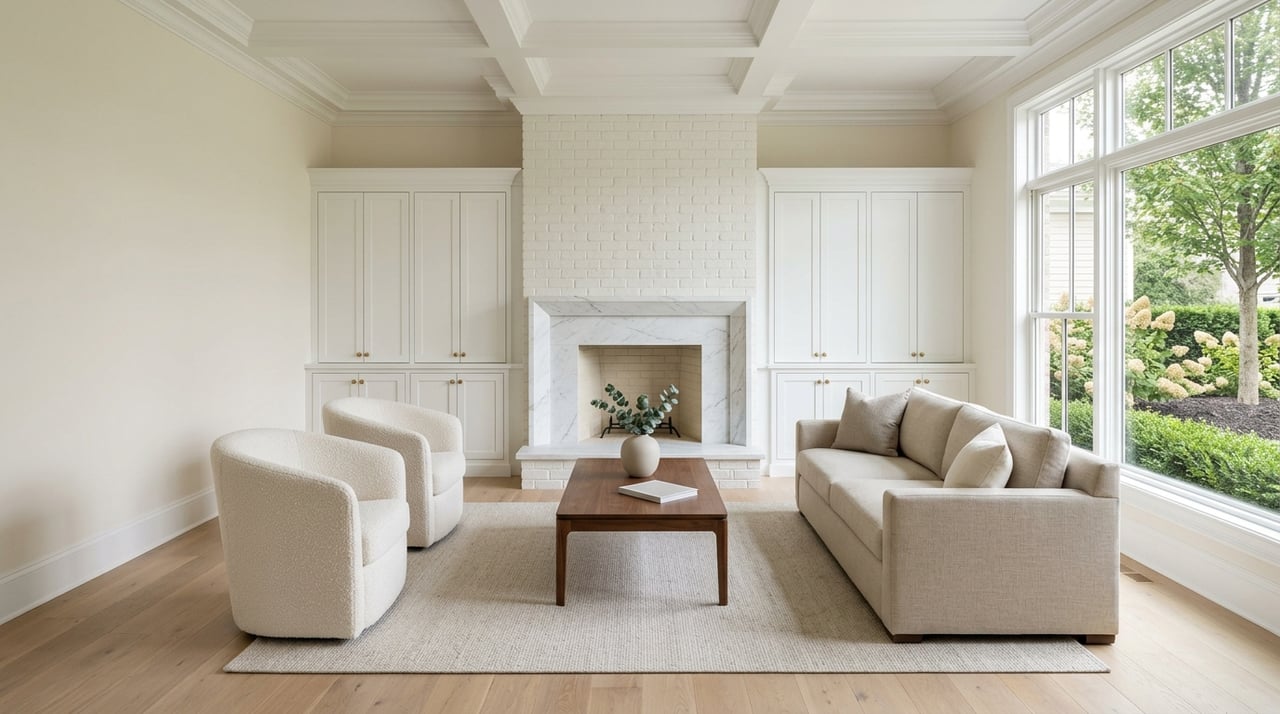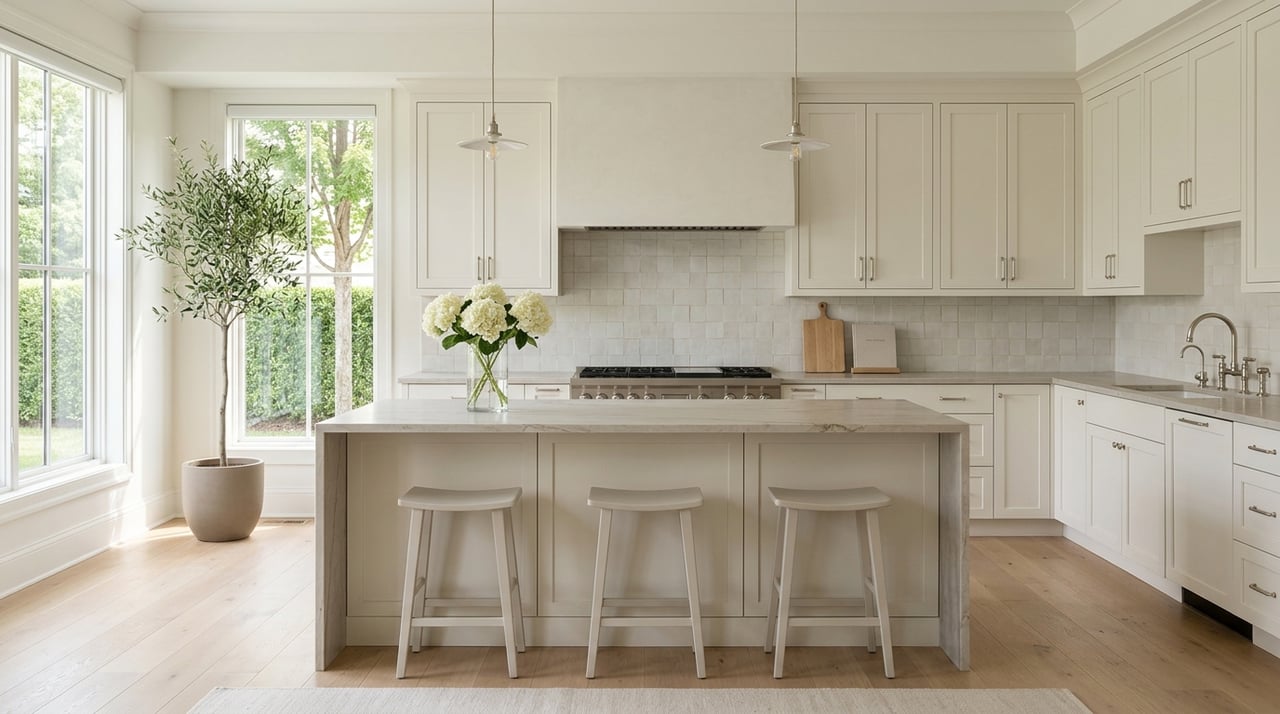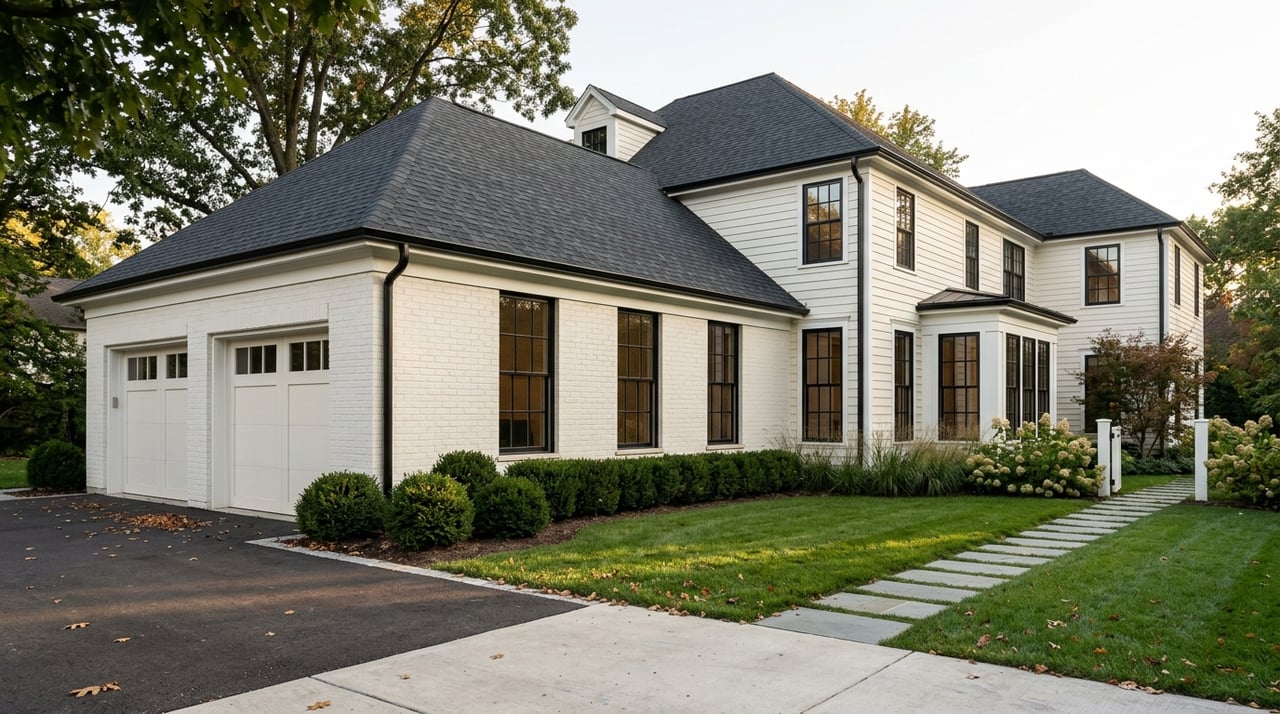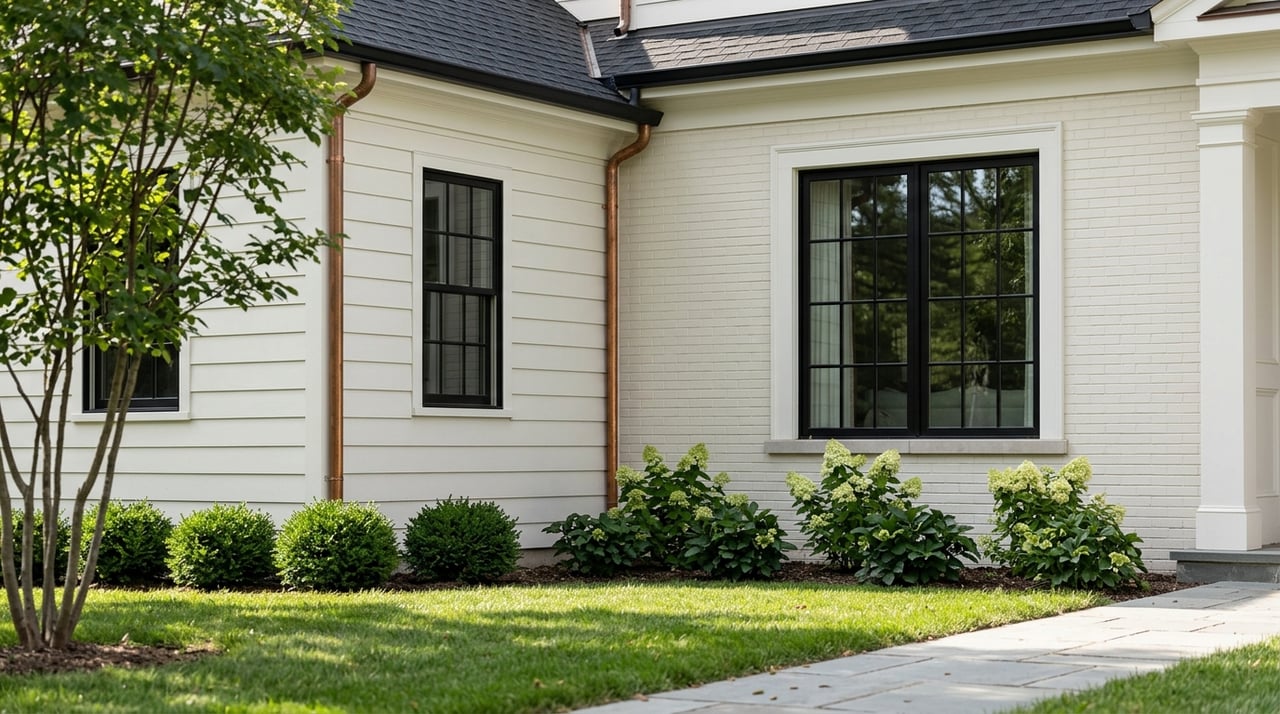
The prettiest new home in Westfield is not always the smartest one to buy. If you are comparing fresh finishes, glossy staging, and builder upgrades, it is easy to focus on what photographs well and miss what will matter after move-in. This guide will help you look past surface appeal and evaluate layout, site fit, documentation, workmanship, and long-term value so you can buy with more confidence. Let’s dive in.
Why Westfield new construction needs a closer look
In Westfield, new construction is not one single product type. The town’s recent housing activity includes replacement homes in established neighborhoods and redevelopment closer to downtown or the train station, including mixed-use projects and townhome or apartment-style options.
That matters because two homes can feel equally polished inside while offering very different ownership experiences. A detached home on a tighter lot may live differently from a newer residence near transit, and maintenance, resale audience, and outdoor space can vary quite a bit even when the kitchen finishes look similar.
Westfield has also said that much of its recent multi-family development is connected to affordable housing obligations, with projects often built on blighted properties, flat parking lots, or aging and vacant buildings. At the same time, town messaging notes that nearly 70% of Westfield’s land will still be single-family after current projects, which helps explain why both neighborhood character and redevelopment planning are part of the conversation.
Start with the floor plan
A beautiful house can still be frustrating to live in. Before you get pulled into tile choices or appliance packages, look at how the home actually functions day to day.
Think about circulation, storage, natural light, and whether the rooms support your routine. A home inspection framework often focuses attention on visible and functional areas, but from a livability standpoint, your first test is simple: does the layout make sense for the way you live?
Ask practical layout questions
When you walk through a new construction home in Westfield, consider questions like these:
- Does the entry feel connected to the rest of the home?
- Is there enough storage where you need it most?
- Do bedroom placement and bathroom access make sense?
- Is the kitchen efficient, or just oversized?
- Do windows bring in useful daylight?
- Is there logical indoor-outdoor flow?
- Are mudroom, laundry, and garage access practical for daily life?
These details are easy to overlook when a home is staged well. They are also the details that will affect your satisfaction long after the furniture and styling are gone.
Look closely at the site
In Westfield, the lot can be just as important as the house. Town zoning materials make clear that front yard depth often follows the established street pattern and may not be less than 25 feet in many districts, while lot coverage limits can vary by lot size.
In real terms, that means a home can look substantial from the curb and still leave less usable yard than you expected. Setbacks, coverage, drainage, and how the house sits on the lot all shape privacy, outdoor use, and future resale.
What to check outside
Before you fall in love with the finish package, review the site with the same care you give the interior.
- How much functional backyard space is left?
- Does the grading appear to move water away from the home?
- Are driveways, walkways, and patios proportionate to the lot?
- Do neighboring homes feel close because of lot width or placement?
- Is the outdoor area aligned with how you want to use it?
A larger footprint is not automatically better if it compromises yard utility or creates long-term drainage concerns.
Read the documents, not just the marketing
One of the biggest mistakes buyers make with new construction is assuming that what they see is what is guaranteed. In New Jersey, the filed plans are for code compliance, but the contract determines what the builder must actually provide.
That distinction matters. A home may pass required inspections and receive a Certificate of Occupancy, but your contract is still the document that defines finishes, materials, allowances, included features, and responsibilities.
Match the contract to the approvals
The strongest due diligence happens when the paperwork aligns. In Westfield, that means looking beyond the brochure and checking whether the contract, plans, permits, and final approvals all tell the same story.
Focus on confirming:
- Approved plans
- Construction permits
- Final inspections
- Certificate of Occupancy
- Survey information
- Setback compliance
- Lot coverage compliance
- Stormwater handling details
- Any historic-preservation constraints, if applicable
Westfield’s Planning & Zoning Department reviews construction permit applications for compliance with the Land Development Ordinance. The town also says its SDL Portal allows users to view property history, including permits, inspections, and violations, which makes local record review an important part of the process.
Know what inspections and warranties do and do not mean
New construction does come with protections, but buyers often overestimate what those protections cover. The New Jersey Department of Community Affairs says every new home sold in the state comes with a warranty.
Under that guidance, defects in materials and workmanship are covered for one year, heating, cooling, plumbing, and electrical design and installation are covered for two years, and major structural defects are covered for ten years. Filing deadlines matter, and warranty claims can apply to workmanship or material defects that are not necessarily code violations.
Why code compliance is not the full picture
Construction officials inspect homes at set stages, including footing trenches, rough plumbing and electrical, and framing before those elements are covered. That is important, but it does not replace your need to understand quality, finish standards, and contract scope.
A final sign-off means the home met required checkpoints. It does not mean every cosmetic issue, performance concern, or expectation you had is automatically covered later.
Builder warranty versus extra home warranty
A builder warranty is not the same as a separate home warranty or service contract. In general, a builder warranty covers permanent parts of the home, while an added home warranty is usually a paid service contract for certain repair items such as appliances or heating and cooling components.
That is why polished finishes should never be confused with broad protection. Some items may be excluded, and manufacturer-covered products may have separate warranty paths.
Check craftsmanship where it counts
If you want to read beyond the finishings, train your eye on durability clues. Practical inspection guidance points buyers toward floors, doors, foundation, roof, walls, windows, electrical, heating and cooling, structural components, insulation, plumbing, and basement areas.
You do not need to be a builder to notice useful signals. You just need to slow down and pay attention to how the home performs, not just how it photographs.
Red flags worth noticing
As you tour, look for signs like these:
- Floors that feel uneven
- Doors that do not close properly
- Windows that stick or do not seal well
- Signs of moisture intrusion around walls or ceilings
- Poor drainage around the foundation
- Visible gaps in trim or inconsistent finish work
- Plumbing leaks or water staining
- Areas where insulation or ventilation appear inadequate
These issues may seem small in a model-home setting, but they often tell you more about long-term ownership than a designer light fixture ever will.
Think about maintenance from day one
A new home is not a no-maintenance home. Routine care still plays a big role in preserving condition and value, even when everything is brand new.
Basic upkeep includes changing filters, testing smoke and carbon monoxide detectors, checking the water heater for leaks, cleaning dryer vents, inspecting roofs and gutters, and replacing worn caulking around windows and doors. If a home has more square footage, more trim detail, or more exterior surfaces, your maintenance load may be higher than you expect.
That is especially relevant when comparing product types in Westfield. A detached home, a townhouse-style residence, and a newer mixed-use building may all offer fresh finishes, but the upkeep profile can be very different.
Factor in Westfield resale appeal
Finish choices matter, but resale usually comes down to a broader mix of factors. In Westfield, location, layout, site efficiency, and connection to town amenities all influence long-term demand.
Town planning materials describe the downtown as walkable and transit-oriented, and redevelopment near the station is tied to mixed-use planning and smart growth goals. Active projects such as One Westfield Place and the Prospect/Ferris redevelopment show that newer housing near downtown and the station remains part of the local pipeline.
Westfield Station on the Raritan Valley Line offers parking, accessibility, bike storage, and ticketing services. The town also includes public school options across elementary, intermediate, and high school levels. Those features do not replace good design or solid construction, but they do help explain why well-executed new construction in the right location can appeal to a broad range of future buyers.
A smart Westfield buying checklist
If you are considering a new construction home in Westfield, keep your decision anchored to substance.
Use this simple checklist as you compare options:
- Study the floor plan before the finishes
- Evaluate how the house sits on the lot
- Confirm usable outdoor space
- Review permits, inspections, and approvals
- Compare contract terms to what is being marketed
- Understand the New Jersey warranty timeline
- Ask what is excluded from builder coverage
- Watch for craftsmanship and drainage clues
- Estimate realistic maintenance needs
- Consider long-term resale based on location and function
If you are buying pre-construction or before completion, it is also wise to ask how your deposit can be returned, whether the contract includes financing and inspection contingencies, and whether you have explored lender options beyond any builder-affiliated recommendation.
The real value is beneath the surface
The best new construction purchase in Westfield is rarely the one with the flashiest stone, the boldest lighting, or the most dramatic staging. It is the one where the layout works, the site makes sense, the quality holds up, and the documentation is clean.
That is where experience and calm due diligence can make a real difference. If you want thoughtful guidance on Westfield new construction, pre-construction opportunities, or how to evaluate quality beyond surface appeal, connect with Kristina Baez.
FAQs
What should you review before buying new construction in Westfield?
- You should review the floor plan, site layout, permits, approved plans, final inspections, Certificate of Occupancy, survey information, and contract details before focusing on upgrades or finish selections.
What does a New Jersey new-home warranty cover?
- New Jersey guidance says defects in materials and workmanship are covered for one year, heating, cooling, plumbing, and electrical design and installation are covered for two years, and major structural defects are covered for ten years.
How can you check Westfield property permit history?
- Westfield says its SDL Portal allows users to view property history, including construction permits, inspections, and violations.
Why do lot size and setbacks matter in Westfield new construction?
- They affect usable yard space, privacy, stormwater handling, and how the home fits the property, which can influence both daily enjoyment and future resale.
Is a builder warranty the same as a home warranty service contract?
- No. A builder warranty generally covers permanent parts of the home, while a separate home warranty is usually a paid service contract for certain repair items and may have different exclusions.