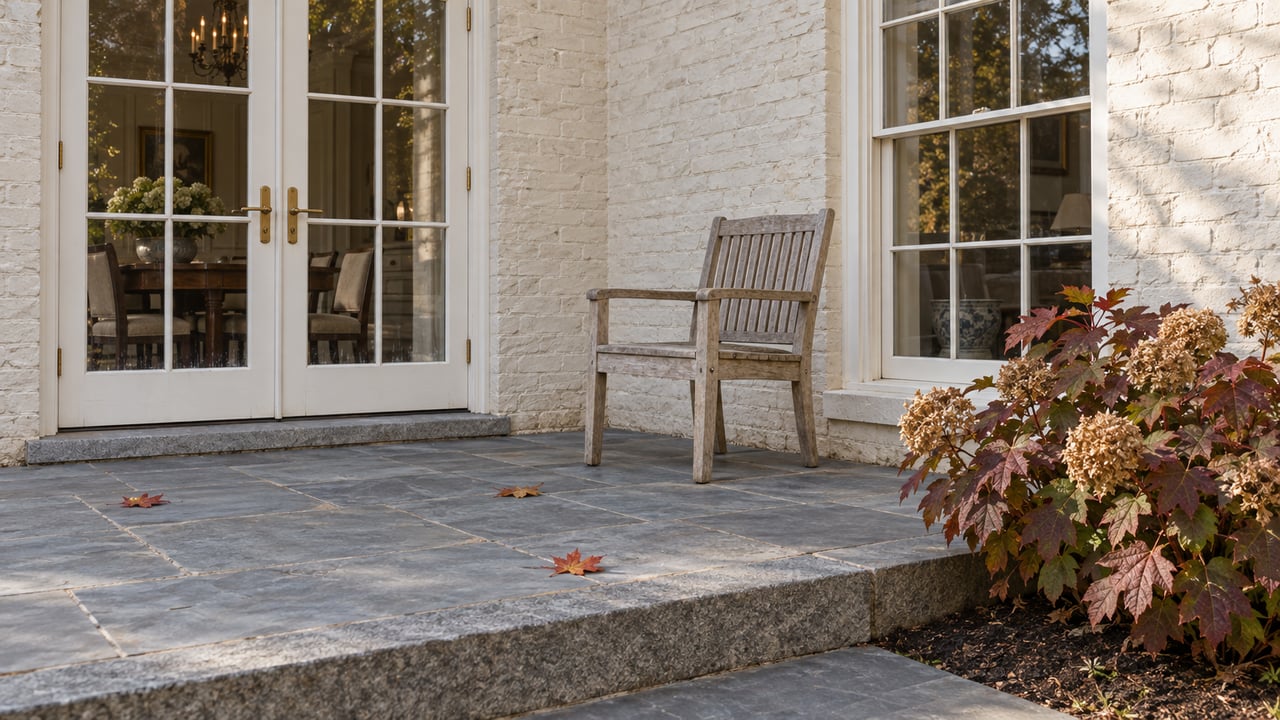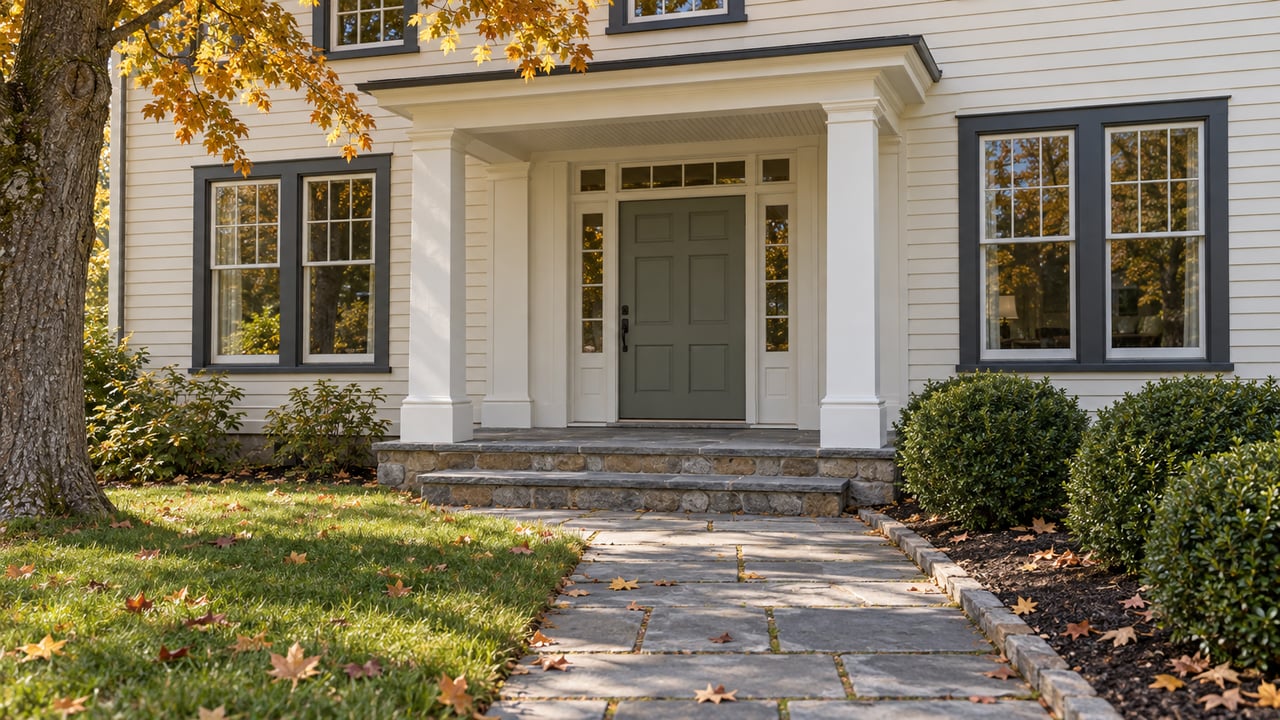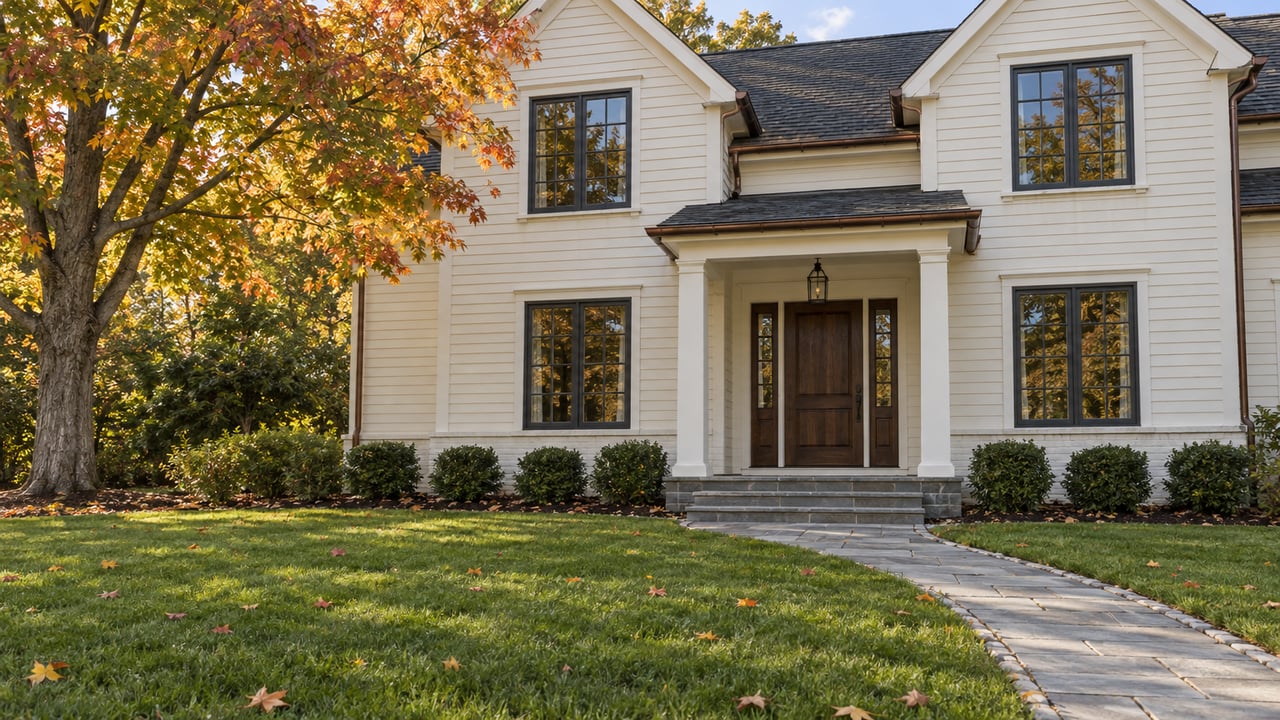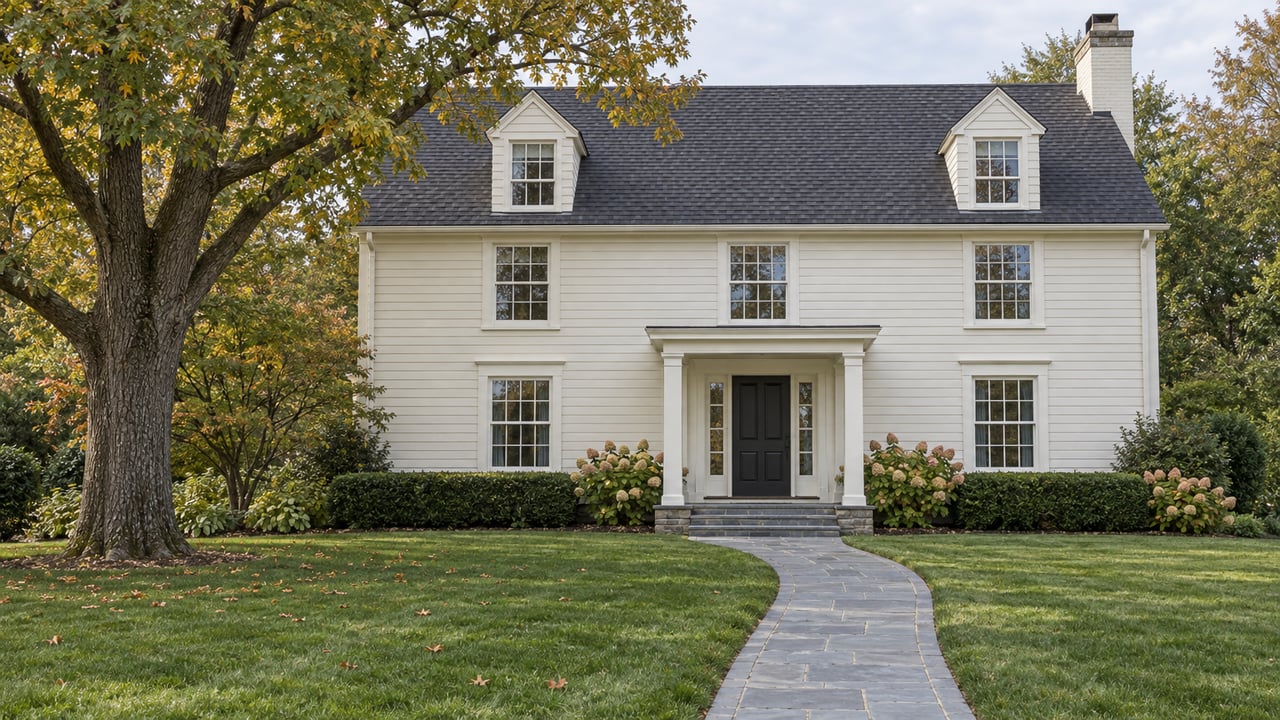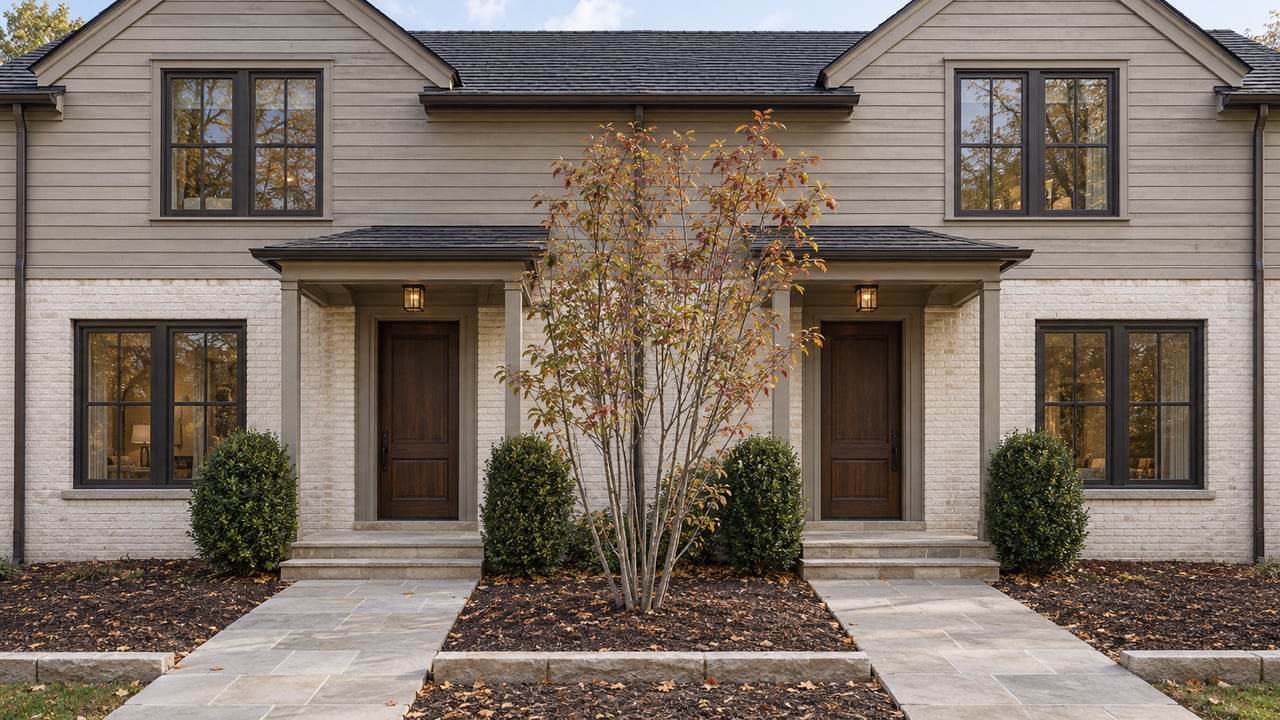
The single "Millburn" number on a portal is doing a lot of quiet work. It blends a downtown where a three-month median sits near $975,000 with a Short Hills section where the same window closes at $2.3M. One municipality, one school district, one certified tax rate. Two housing stocks that behave almost nothing alike at the offer table.
The reason the split matters is not aesthetic. It decides pace, price per foot, carrying cost, and the math of any renovation you might be planning in year two. If you are comparing Millburn Township to Chatham, Madison, or Westfield on price alone, you are comparing an average of two markets against a single one, and the average is hiding the mechanism.
The Two ZIP Codes Behind One Median
Short Hills is a census-designated place inside Millburn Township. Same municipal services, same Millburn Township School District, same 2.019% certified tax rate. What differs is lot pattern and housing stock. Village blocks near the Millburn train station cluster in the roughly 0.12 to 0.2 acre range, with a real share of townhomes and condos. Short Hills parcels commonly run 0.4 to 1+ acres, with legacy estate streets in Old Short Hills and Hartshorn that trade from $3M into the $8M range.
The 2026 numbers make the split visible.
| Metric (3-mo window ending May 2026) | Downtown Millburn (07041) | Short Hills (07078) |
|---|---|---|
| Median sale price | ~$975,000 | ~$2.3M |
| Median $/sqft (YoY) | Softer | $766, up 13.1% |
| Days on market | ~52 | ~11 |
| Sale-to-list, average | At or near list | ~105% of list |
| Hot-home premium | Not typical | ~11% over list |
| Housing mix | Single-family plus townhomes and condos near the station | Predominantly detached single-family, larger lots |
Township-level ACS 2020 to 2024 owner-occupied medians land at roughly $1.37M for Millburn and $1.67M for Short Hills, which is the durable long-run context under the noisier monthly readings. Zillow's June 30, 2026 index shows the Millburn ZIP average at about $1.33M (up 8.8% year over year) and Short Hills at about $2.39M (up 6.9%). The gap is not narrowing.
The Tax Rate Is Identical. The Tax Bill Is Not.
Millburn's 2025 certified rate is $2.019 per $100 of assessed value, which the township publishes plainly. That rate applies uniformly on both sides of the ZIP line. The average residential bill in 2025 was $26,292 on an average assessed home value of $1,302,529, per New Jersey Department of Community Affairs tables.
Where buyers get surprised is the second decimal. Because Short Hills homes carry higher assessed values and larger lots, the same rate produces a very different quarterly payment. A downtown Millburn townhome closing near $975,000 and a Short Hills colonial closing near $2.3M share a school system and a police department. They do not share a carrying cost, and the carrying cost compounds every year the buyer holds. When a mover from Chatham or Westfield tells me the taxes "look the same as home," they are reading the rate. They have not read the base.
The 2017 Baseline Nobody Mentions Until You Renovate
Here is the friction that only surfaces during a transaction, and it is the one most worth understanding before you write an offer.
Essex County assessed values in Millburn are anchored to the 2017 revaluation. The next revaluation is expected in 2029. Between now and then, assessments only move for three reasons: a successful tax appeal, a change of use, or a major renovation. The township equalization ratio sits at 77.97%, which is the polite way of saying assessments trail current market value by a meaningful margin.
When a renovation triggers a reassessment, the township assessor does not value the improvement at 2026 market. The value is "indexed back" to the 2017 baseline, keeping the newly renovated home aligned with the rest of the community. That accounting choice is a real financial variable in your first five years of ownership.
For a buyer planning to gut a downtown Cape or add a primary suite to a Short Hills colonial, this changes the model. The renovation raises the assessed value less aggressively than a naive year-over-year appreciation curve would suggest, which is one reason the local investor and builder pool is comfortable pricing land plus construction against a resale. It also means the 2029 revaluation is a real date on the calendar. Every buyer I work with in Millburn Township should know it exists.
What The Downtown Pipeline Is About To Change
The Millburn side of the split is not static. Two threads worth naming.
First, the affordable housing settlement. Township officials have reached a proposed settlement with RPM Development Group and the Fair Share Housing Center that moves a long-contested 75-unit development off the 9 Main Street industrial site and into a 93-unit mixed-income project at the intersection of Essex Street, Spring Street, and Millburn Avenue. The plan calls for 75 deed-restricted affordable apartments, 18 market-rate units, ground-floor retail, and on-site parking, with additional parking across Essex Street. Whatever your read on the politics, the practical effect on downtown Millburn is more foot traffic, more ground-floor retail, and a denser evening block within walking distance of the station. That reshapes the value of the townhome and condo inventory clustered around Main Street more than it touches Short Hills.
Second, the Mall at Short Hills is quietly running the same play it ran with Cheesecake Factory and Eataly, approving direct exterior entrances for interior tenants. A March 2026 completeness report from the township covers another such application. The retail gravity there is not going anywhere, and the estate market on the Hartshorn side continues to price in walkable, then drivable, then absent.
On the supply side, the new-construction pipeline is running through a small group of named practitioners rather than production builders. Recent listings and applications feature architect Tim Klesse, architect Thomas Baio of Short Hills, interior designer Karen Wolf of K+Co Living, and Summit Executive Builders LLC. If you are buying new construction in Millburn or Short Hills in 2026, you are usually buying a specific team's work, not a spec product. That is a conversation to have before you tour, not after.
A Buyer's Order Of Operations
The split changes what a smart tour week looks like. If you are actively comparing 07041 and 07078, run the sequence in this order:
- Decide what the median is protecting you from. Downtown Millburn near the station buys walkability, station proximity, and a lower entry price with faster resale liquidity in the $900K to $1.4M band. Short Hills buys lot size, privacy, and estate architecture at a Q1 to Q2 2026 pace of roughly 11 days on market.
- Pull the assessment card, not just the tax bill. Ask for the current assessed value and the year of last major improvement. That tells you where the 2017 baseline sits and whether a prior renovation already reset it.
- Model the renovation you actually want. If your plan is a $400K to $700K addition, ask how the assessor has treated comparable additions on the same block since 2017. The "indexed back" math is real but not intuitive.
- Time the station. Both Millburn and Short Hills stations sit on the Morris & Essex Midtown Direct corridor. The trains are the same. The walk is not.
- Ask who built it and who designed it. In the new-construction segment, the answer to that question moves value more than granite selections.
Frequently Asked
Are Millburn and Short Hills really the same town? Legally, yes. Short Hills is a census-designated place inside Millburn Township. You share the tax rate, the school district, and municipal services. Housing stock, lot size, and price behave as if they are two different markets, because in practice they are.
Why does Short Hills sell so much faster than downtown Millburn right now? Short Hills logged about 11 median days on market in the three months ending May 2026, at roughly 105% of list on average, with the hottest homes at about 11% over. Downtown Millburn logged about 52 days in the same window. Inventory scarcity in the estate bands and consistent buyer demand explain most of it. Downtown Millburn's larger share of townhomes and condos carries a different pace.
How does the 2017 revaluation actually affect my offer? It does not change what you pay at closing. It changes what your assessed value looks like relative to your purchase price, which changes your first-year tax bill, your appeal calculus, and how a future renovation gets assessed. If the 2029 revaluation lands with your improvements already completed, the math shifts again. Plan for the date.
Is one side "better value" than the other? That is a personal question, not a market question. The market is telling you that walkable, station-adjacent inventory in the $900K to $1.4M range moves at one pace, and estate-scale inventory north of $2M moves at another. Which one clears your priorities is the useful question.
If you are weighing a specific block in Millburn or a specific street in Short Hills against Chatham, Madison, or Westfield, the median is a starting point, not an answer. I work through the assessment card, the renovation math, and the pace of the exact submarket before we write. Reach out through Kristina Baez and let's connect on what your number actually buys.