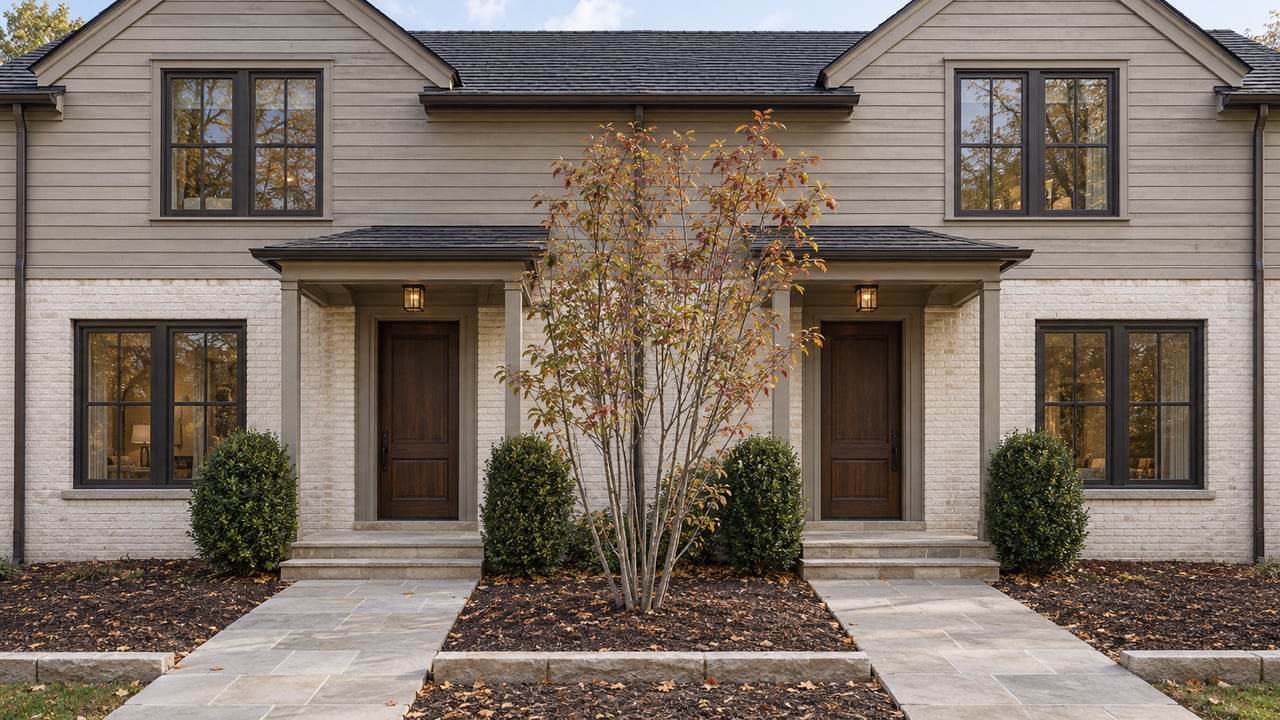
Wondering whether pre-construction in Madison means getting in early on a brand-new home, a townhouse community, or a redevelopment project before it fully hits the market? If you are searching in a town where inventory is limited and competition stays high, understanding how these opportunities actually work can give you a real advantage. In this guide, you will learn what pre-construction looks like in Madison, how the process usually unfolds, and what to review before you commit. Let’s dive in.
What pre-construction means in Madison
In Madison, pre-construction usually looks different from what many buyers picture in a large master-planned community. This is largely an infill and redevelopment market, which means opportunities often come from zoning changes, mixed-use plans, redevelopment activity, or a single custom home rather than rows of brand-new homes in a big subdivision.
That local context matters. Madison is a small borough in southeast Morris County, and the market has been very competitive, with a median sale price of $1,299,222 over the three months ending May 2026 and homes selling in about 20 days. In a market like this, getting access early can be especially valuable.
Why timing matters in Madison
Many pre-construction opportunities in Madison become visible long before there is a polished listing or model home. In some cases, what starts as a planning-board application, variance request, or redevelopment hearing later becomes a sale opportunity.
That means buyers who understand the approval pipeline can sometimes spot possibilities earlier than buyers who are only watching standard listing inventory. In Madison, strong demand and limited land supply make that early awareness even more important.
Where pre-construction opportunities start
Planning board activity
Madison’s Planning Board generally meets on the 1st and 3rd Tuesday of the month, and the borough publicly posts planning and zoning applications. Because new opportunities often begin in the public review stage, these meetings and filings can offer an early look at what may be coming.
For buyers, this does not always mean a home is ready to purchase right away. It means a project may be moving through the early steps that eventually lead to available homes or units.
Redevelopment and infill projects
Recent local planning shows the kinds of opportunities that may appear in town. Madison’s pipeline has included redevelopment and residential proposals such as the 3 Giralda Farms commercial-to-residential subdivision, along with townhouse-style and multifamily components in related planning activity.
This is why a Madison pre-construction search should stay flexible. Your options may include a custom single-family home, a townhouse, a condo, or a mixed residential development rather than only a detached home on a large lot.
Broker and developer networks
Some opportunities are shared through professional relationships before they are widely marketed. In a market shaped by redevelopment, approvals, and limited supply, local connections can be just as important as public inventory.
This is where working with someone who understands both construction and local market movement can help you evaluate not just availability, but also quality, timeline, and long-term value.
How the Madison process usually unfolds
Step 1: A project enters public review
Many projects begin with planning, zoning, or redevelopment activity. At this stage, the project may still be changing based on public review, approvals, and design requirements.
If you are tracking an opportunity early, it is important to know that plans are not always final. Unit mix, exterior design, timing, and other details can shift before a project reaches the sales stage.
Step 2: Zoning and permit review
Madison requires zoning and construction review before a new home can move forward. According to the borough, a new dwelling requires a Zoning Permit Application.
Once a completed application and any prior approvals are submitted, the Building Department states it has 20 business days to prepare the permit, route plans through subcode review, and complete final sign-off by the Construction Official. That timeline is helpful, but buyers should remember that the full process can still take longer depending on the project and any earlier approvals required.
Step 3: Historic review, when applicable
Historic review is a major local factor in Madison. The borough says there are about 110 historic sites on the official zoning map, including properties in the downtown historic district.
Buildings within the Madison Civic and Commercial Historic District and the Bottle Hill Historic District require a Certificate of Historic Review for exterior changes. If demolition is involved, replacement construction may also need to meet compatibility conditions so that the new work fits the surrounding context.
Step 4: Site preparation and construction
Even site preparation can add another layer to the timeline. Madison’s tree ordinance requires a permit before removing trees larger than six inches in diameter, and clearcutting is prohibited.
For buyers, this is one reason build timelines should be treated carefully. A project that looks straightforward on paper may still have local review steps that affect when construction can begin or finish.
Why historic districts matter so much
Historic-preservation rules are not a side note in Madison. They can directly shape design, materials, approval timing, and what the finished product looks like.
The borough’s design guidelines state that new construction and additions in historic districts should be compatible with the surrounding streetscape in scale, massing, height, and rhythm, while still being identifiable as new work. The same guidelines note that materials such as vinyl or metal siding are often not recommended for new construction and additions in those districts.
If you are considering a pre-construction purchase in or near a historic area, design review should be part of your due diligence from day one. It can influence both aesthetics and timeline, which are two of the biggest concerns for buyers comparing new construction options.
What to review before choosing a builder
Confirm builder registration
Your first step should be verifying the builder with the State of New Jersey. The state says all new home builders must be registered, and a permit cannot be issued to a builder whose registration is suspended or revoked.
If a builder does not appear on the registered-builder list, that means the builder is not currently registered. This is a simple but important check before you move deeper into a deal.
Understand the warranty structure
New Jersey’s new-home warranty is a limited warranty that runs for one, two, and ten years. The state’s homeowner booklet explains that the builder is responsible for first-year defects, mechanical, electrical, plumbing, and major structural defects are covered in the first two years, and years three through ten cover major structural defects under the state plan.
That warranty is important, but it does not replace homeowner’s insurance or flood insurance. Buyers should understand both what the warranty covers and what it does not cover before closing.
Look beyond finishes
A beautiful rendering is not the same as a well-executed build. In Madison, where design fit and long-term value matter, it helps to evaluate the builder’s approach to quality, materials, layout, and how the home fits its setting.
This is especially true if the home is part of a redevelopment or historic-adjacent project. The details behind the walls and the decisions made during planning can matter just as much as the final look.
Contract protections to know
If the project is a condominium, townhouse community, or another common-interest development, New Jersey’s Planned Real Estate Development Full Disclosure Act may apply. The state says a developer must register the offering plan before offering units for sale and must provide a current public offering statement on or before the contract date.
The law also gives the purchaser a seven-calendar-day right to cancel without cause after signing. That protection is meaningful, especially when you are making a decision based on plans, specifications, and future delivery rather than a completed home.
For all new homes in New Jersey, the state says every new home sold comes with a warranty, and no certificate of occupancy is issued unless the home is covered by a warranty. That makes warranty documentation part of your closing protection, not just paperwork to skim at the end.
Why legal review is worth it
Pre-construction contracts deserve the same attention as the home itself. New Jersey’s disclosure form states that it is in the purchaser’s interest to inspect the property, read all contract documents, and consult with an attorney before signing.
In Madison, that advice is especially relevant. Because many opportunities come through approvals, redevelopment, or evolving project plans, you want clarity on specifications, timelines, deposits, contingencies, completion expectations, and what happens if plans change.
A smart Madison buyer mindset
The best Madison pre-construction buyers tend to be patient, detail-oriented, and comfortable asking deeper questions. This is not always the fastest path to a move-in-ready home, but it can create access to properties that are never widely available in the usual way.
If you approach the process with the right expectations, you can make stronger decisions about location, product type, builder quality, and timing. In a competitive town like Madison, that preparation can help you move with more confidence.
If you are thinking about a pre-construction or redevelopment opportunity in Madison, working with someone who understands local approvals, design fit, and construction quality can make the process much clearer. For tailored guidance on finding and evaluating the right opportunity, connect with Kristina Baez.
FAQs
What does pre-construction usually look like in Madison, NJ?
- In Madison, pre-construction is often an infill, redevelopment, townhouse, condo, mixed residential, or custom-home opportunity rather than a large new subdivision.
How can you find pre-construction opportunities in Madison before they are widely listed?
- Many opportunities first appear through planning-board activity, zoning applications, redevelopment hearings, and local broker or developer networks.
How often does the Madison Planning Board meet?
- Madison’s Planning Board generally meets on the 1st and 3rd Tuesday of the month.
Does a new dwelling in Madison require zoning approval?
- Yes. Madison states that a new dwelling requires a Zoning Permit Application before moving forward.
How long does Madison take to process a building permit application?
- The borough says that after a completed application and prior approvals are submitted, the Building Department has 20 business days to prepare the permit, route plans through subcode review, and complete final sign-off.
Why do historic districts matter for pre-construction in Madison?
- Historic districts can affect approval timing, exterior design, demolition conditions, and material choices because certain properties require a Certificate of Historic Review for exterior changes.
How do you verify a builder for a new home in New Jersey?
- You should confirm that the builder is registered with the State of New Jersey, since the state says all new home builders must be registered.
What warranty comes with a new home in New Jersey?
- New Jersey provides a limited new-home warranty with one-year, two-year, and ten-year coverage periods, including major structural coverage in years three through ten under the state plan.
Do condo or townhouse buyers in New Jersey get a cancellation period?
- If the project falls under the Planned Real Estate Development Full Disclosure Act, the purchaser has a seven-calendar-day right to cancel without cause after signing.
Should you have a pre-construction contract reviewed before signing in Madison?
- Yes. New Jersey’s disclosure guidance says it is in the purchaser’s interest to read all contract documents, inspect the property, and consult with an attorney before signing.